
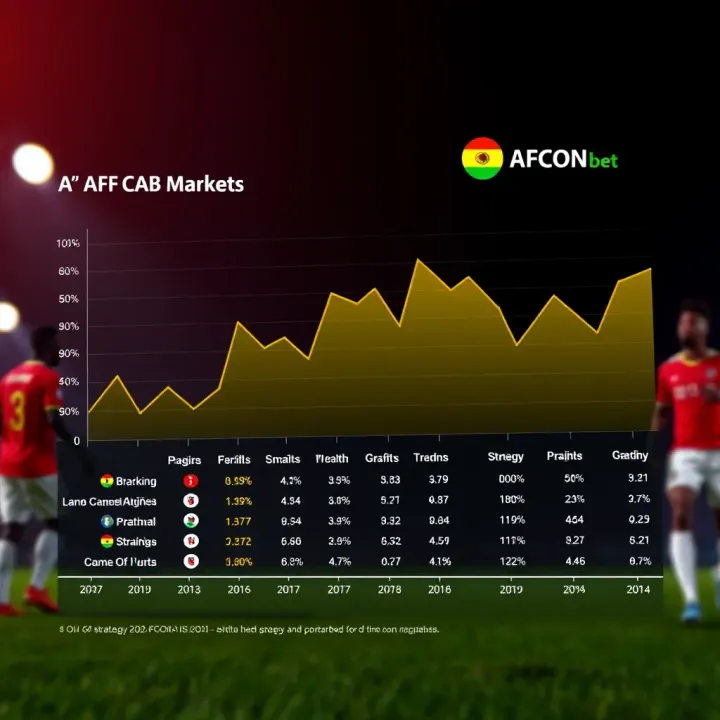
Chelseabet AFCON Predictions and Analysis 2024
⚽ Get Chelseabet AFCON predictions & expert analysis on Nigeria & top Africa teams. Discover betting tips, team tactics, player form & winning strategies now! 📊
Edited By
Emily Stratton
Predicting the correct score in football matches is no walk in the park. It takes sharp analysis of various factors that influence the game’s final outcome. Nigerian football enthusiasts and punters must dig beyond simple guesswork to improve their forecast accuracy.

Team Form: Look at recent performances, especially the last five matches. For instance, if Kano Pillars have won three matches consecutively with strong away performances, their chances of scoring are high.
Player Availability and Performance: Injuries or suspensions can weaken key positions. If a striker like Victor Osimhen is out, the team's goal-scoring ability might suffer.
Head-to-Head Records: Some teams have psychological edges over others. Enyimba might consistently outperform Rivers United due to tactical advantages.
Match Location: Home advantage often boosts team confidence. A Lagos-based team playing at Teslim Balogun Stadium might have the upper hand compared to their away fixtures.
Weather and Pitch Conditions: Nigeria’s rainy season can make pitches slippery, affecting gameplay. Heavily waterlogged fields might reduce goal-scoring chances.
Statistical Databases: Platforms like Supersports Stats and local Nigerian football data portals provide detailed match histories and player stats.
Live Updates: Following team news through official club channels informs bettors of last-minute changes.
Betting Odds: Odds movements by Nigerian sportsbooks such as Bet9ja or NairaBet can signal insider trends.
Accurate score prediction demands a clear picture of the present conditions, not just history.
Relying solely on popular teams without considering current form.
Ignoring late changes in squad line-ups due to injuries or coach's decisions.
Overlooking environmental factors like pitch quality or local weather.
By understanding these core aspects, you can improve your football score forecasts and make smarter decisions when placing bets or analysing matches. Take time to study and cross-check data instead of acting on hunches — this approach tends to pay off in the long run.
Predicting the exact score of a football match is no small feat; it demands a solid grasp of the game's many moving parts. Knowing the basis of correct score prediction helps you avoid wild guesses and instead make informed decisions grounded in data and context. This understanding can sharply improve your forecasting results, whether you're betting on the Nigeria Professional Football League (NPFL) or international tournaments.
Predicting the correct score goes beyond simply choosing the winning team. It offers more specific insights that can maximise returns on bets or sharpen analytical assessments. For example, knowing that a match between Enyimba and Rivers United might end 2-1 rather than a broad win for Enyimba helps you make smarter wagers with better odds. Correct score predictions can also help analysts identify scoring trends and defensive weaknesses, providing depth beyond surface-level results.
At the heart of this is the practical benefit: bookmakers often offer higher payouts for exact score predictions due to the challenge involved. A bettor who understands this can spot value bets, benefiting from odds that don't fully reflect the real likelihood of outcomes.
The biggest hurdle is the unpredictability of football itself. Sudden injuries, tactical shifts by managers, or even a slippery pitch during Nigeria's rainy season can skew expected results. A team might perform excellently all season but struggle away due to unfamiliar weather conditions or travel fatigue—a common factor in Nigerian football.
Moreover, football matches can be low-scoring or high-scoring in unpredictable ways. A match between two top NPFL clubs might unexpectedly end 0-0 because of solid defensive play or because key strikers were sidelined due to injury. This variability makes it necessary to analyse multiple factors, not just team strength or recent form.
Another challenge lies in emotional bias, especially among local fans. Supporters might lean towards hopeful, high-score forecasts for their favourite teams, ignoring data that points otherwise. Overcoming this bias requires discipline and reliance on facts rather than loyalty.
Accurate score prediction is a careful balance between analysing hard data and accounting for the unpredictable nature of the beautiful game.
In the end, understanding the basis of correct score prediction sets the stage for applying practical tools and strategies. It encourages you to look beyond headline results and engage with the finer details that truly influence match outcomes.
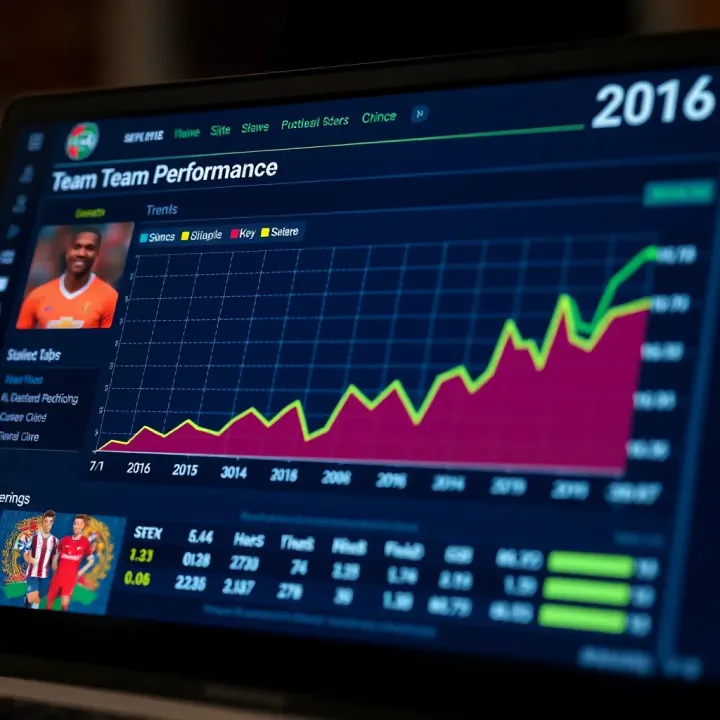
Predicting the correct score in football hinges heavily on understanding several key factors that shape match outcomes. These factors interplay to determine the final result and, as a bettor or analyst, recognising their influence can significantly boost your forecast accuracy.
A team's current form is one of the clearest indicators of how it might perform. Recent wins, losses, and draws show momentum or decline. For example, a NPFL club like Rivers United, riding a five-match winning streak, typically enters games with higher confidence and sharper team chemistry. Conversely, a team coming off several losses might struggle to score or defend effectively. Tracking these trends over the last five to ten matches gives a snapshot of consistency and morale, which directly impacts the likelihood of scoring multiple goals or conceding.
The presence or absence of key players greatly affects match dynamics. Injuries to main strikers, midfield maestros, or defensive captains can weaken a team’s structure. Consider when Enyimba loses their top scorer to injury; their offensive threat diminishes, reducing chances of a high-scoring game. Suspensions due to accumulated yellow cards also shift strategies, as replacements may lack the same skill or experience. Always check official line-ups and injury reports before making predictions—this information sharpens your insight into potential scorelines.
Home advantage isn’t just about familiar turf; it carries crowd support, travel fatigue for visitors, and psychological edge. Grass pitches at Abuja’s Eagle Stadium differ from Lagos’s more worn fields, affecting playing style and ball control. Furthermore, weather conditions like heavy rain or intense heat can slow down a game or exhaust players faster. For instance, during the wet season, sloppy passes and defensive errors increase, often leading to unpredictable scores. Thus, understanding the match location and weather can hint if goals will come easily or if the game might be a tight low-scoring affair.
Managers shape how teams approach matches tactically—some prefer aggressive attacks; others opt for defensive conservatism. A coach like Jose Peseiro, known for pressing high and quick transitions with Kano Pillars, often encourages open games with several goals. On the other hand, a tactician focusing on counter-attacks might lead to fewer goals but more calculated scoring opportunities. Recognising these styles helps anticipate whether a match will be tight or high-scoring, influencing your correct score prediction.
Combining these factors doesn’t guarantee perfect forecasts but builds a solid foundation for smarter predictions, especially in the fast-moving world of Nigerian football.
Understanding all these variables together equips you to read not just the teams but the conditions shaping the game’s final scoreline more accurately.
Accurate football score prediction depends heavily on the practical tools and resources available to analysts and bettors. Without reliable data and insights, making precise forecasts often feels like guesswork. Here, we explore essential resources that provide the foundation for informed predictions, especially tailored to the Nigerian football ecosystem.
Statistical data serves as the backbone for sound score predictions. Analysing past match results, scoring patterns, and head-to-head records between teams gives a clearer picture of probable outcomes. For example, when considering a Nigeria Professional Football League (NPFL) fixture, reviewing how teams have performed against similar opponents over recent seasons helps pinpoint scoring tendencies.
Historical records also reveal important trends such as the likelihood of clean sheets or high-scoring matches at particular venues. Access to detailed statistics on goals scored per half, penalty success rates, and set piece conversions sharpens the accuracy of predictions. Providers like WhoScored and SofaScore offer such data, but local sports websites and archives often carry more nuanced NPFL-specific stats.
Local platforms are crucial for tapping into insider knowledge and contextual factors that global tools might miss. Nigerian football forums, sports analysis sites, and social media channels give updates on player transfers, managerial changes, and injury reports affecting NPFL clubs. For instance, knowing that a key striker is sidelined or that a coach favours defensive tactics influences score forecasts significantly.
Moreover, Nigerian-based sports journalists and analysts provide qualitative insights that raw numbers cannot capture. Platforms like Complete Sports Nigeria, Brila FM, and Pulse Nigeria share timely match previews and expert opinions, which help refine predictions beyond just statistics.
Predictive algorithms combine multiple variables—team form, player availability, historical scores—into complex models that generate probable scorelines. These tools draw patterns across large datasets far faster than human analysis alone. In recent years, Nigerian betting platforms such as Bet9ja and 1xBet have incorporated algorithm-driven tips and probabilities to guide punters.
Simultaneously, the betting market itself reflects collective wisdom. Monitoring odds movements provides useful clues about perceived match outcomes. Sharp shifts in correct score odds often signal insider information or shifts in conditions, like late team news or weather disruptions. Skilled predictors watch these market signals closely to adjust their forecasts accordingly.
Combining statistical analysis, local knowledge, and algorithmic input creates a powerful approach to predicting football scores in Nigeria. Each tool complements the others, improving confidence and accuracy when placed together.
By integrating these practical tools and resources, you can sharpen your correct score predictions, gaining an edge whether for betting stakes or analytical research into Nigerian football.
Avoiding common errors can significantly improve the accuracy of your football score forecasts. Recognising these pitfalls helps you make smarter, informed decisions instead of relying on guesswork or sentiment. Here are three key mistakes to watch out for.
Many bettors focus too heavily on one element, such as a star player's presence or a team's recent winning streak. While these factors are important, football match outcomes result from a combination of influences. For instance, a team might boast a top striker but struggle if key defenders are injured or if the coach’s tactics don’t fit the opponent’s style. In the Nigerian Professional Football League (NPFL), player transfers can shift team chemistry overnight, making sole reliance on previous form unreliable. Always balance your predictions by analysing multiple data points like team form, injuries, tactics, and even weather conditions.
Emotional attachment often clouds judgment. Supporting your favourite club is natural, but letting loyalty influence your predictions can lead to frequent mistakes. For example, you might predict a large win for your preferred team even when recent performances suggest a draw or loss is more likely. Such bias ignores objective analysis and the dynamics of the match. Professional forecasters detach emotions to stick to facts and statistics. Try to do the same by focusing on evidence rather than hopes or past glories.
Betting odds reflect the collective wisdom of the market and contain valuable information about expected outcomes. Disregarding odds or sudden shifts in market movements can cost you potential insight. If many bettors suddenly back an underdog or the odds shorten drastically, it could hint at new developments like player fitness news or tactical changes. In Nigeria, studying odds on local platforms alongside international books can reveal discrepancies and smart betting opportunities. Always consider odds as one piece of the puzzle—neither blindly follow nor completely reject them.
Avoiding these mistakes sharpens your prediction skills, making your football forecasts more consistent and reliable. Always blend multiple factors, stay objective, and pay attention to market signals for the best results.
Making accurate correct score predictions in Nigerian football involves more than just luck; it requires close attention to local dynamics, data interpretation, and disciplined risk management. Understanding the Nigerian Professional Football League (NPFL) environment, player movements, and leveraging local knowledge can greatly improve your forecasting accuracy. This section highlights practical tips to sharpen your prediction skills within Nigeria’s unique football scene.
Keeping an eye on NPFL team trends is essential when predicting match outcomes and scores. Nigerian teams often experience fluctuating performances due to factors like frequent coaching changes, limited resources, and player availability. For example, Kano Pillars’ defensive solidity in recent weeks or Enyimba’s struggle with goal-scoring can significantly affect scorelines.
Player transfers and loan deals impact team chemistry and tactics. During mid-season transfers, teams like Akwa United might strengthen their attack by signing key forwards, while others may suffer from losing pivotal defenders. Tracking such movements through local sports news portals or official club announcements helps anticipate shifts in team form.
Unlike international leagues with extensive data coverage, local Nigerian betting exchanges offer insights grounded in regional expertise. Platforms hosting NPFL matches provide market odds reflecting collective wisdom and real-time adjustments. Studying these helps identify where the betting public places confidence and spot value bets.
Moreover, following expert analysts from reputable Nigerian sports media gives context beyond raw statistics. Their knowledge of team morale, managerial tactics, and off-field issues often uncovers factors influencing match results that numbers alone may miss.
Football prediction is inherently uncertain, especially in Nigeria where match disruptions and pitch quality vary. It is vital to manage your risk by setting budgets and avoiding chasing losses. Predicting very high-scoring or unlikely clean sheets consistently often leads to disappointment.
Set realistic expectations by aiming for plausible scorelines. For example, instead of betting on a 4-0 win for a lower-table team, consider a 1-1 draw or 2-1 result. Diversifying bets across multiple matches and using staking plans help maintain long-term profitability.
Tip: Always combine quantitative data with local qualitative insights for a more balanced prediction approach.
By focusing on NPFL trends, making use of local betting markets, and keeping risk in check, you can improve your chances of making smarter and more accurate score predictions in Nigerian football.
⚽ Get Chelseabet AFCON predictions & expert analysis on Nigeria & top Africa teams. Discover betting tips, team tactics, player form & winning strategies now! 📊
⚽ Dive into football betting in Nigeria with tips on popular bets, trusted platforms, legal rules, risk management & economic benefits. Bet smart, pay naira, win ₦!

⚽ Follow ChelseaBet live scores instantly with real-time updates designed for Nigerian football fans. Bet smart, track matches closely, and enjoy your favourite teams with ease.

⚽ Follow ChelseaBet Score Live Football for real-time updates, Nigerian fan insights, quick mobile access, betting tips, and data-saving advice for a better experience.
Based on 11 reviews